Water Damage Cleanup: How to Restore Your Home Quickly and Safely

Water Damage Cleanup

Water damage can happen when you least expect it, turning a normal day into a stressful situation within minutes. Whether it comes from a leak, flooding, or an appliance failure, the aftermath can leave your home in disarray. Floors become soaked, walls absorb moisture, and the air may feel heavy and damp. Water Damage Cleanup Salt Lake City is the essential process that helps restore your home, prevent further issues, and bring your space back to a safe and comfortable condition.

What Is Water Damage Cleanup

Water damage cleanup is the process of removing water, drying affected areas, and cleaning up any damage caused by moisture. It focuses on restoring the environment after water intrusion and preventing long term problems such as mold or structural weakening.

This process goes beyond simply wiping up visible water. It involves identifying hidden moisture and ensuring that all affected materials are properly treated. Effective cleanup helps protect both your home and your health.

Common Causes of Water Damage

Water damage can result from a variety of sources. One of the most common causes is plumbing issues. Leaking or burst pipes can release water quickly and spread damage across multiple areas.

Flooding from heavy rain or poor drainage can also introduce large amounts of water into a home. Roof leaks are another source, allowing water to seep in during storms.

Appliance malfunctions are also frequent contributors. Dishwashers, washing machines, and water heaters can fail and leak without warning. Even small, unnoticed drips can lead to significant damage over time.

Understanding these causes can help you stay alert and respond quickly when problems arise.

Immediate Steps to Take After Water Damage

When water damage occurs, taking immediate action is critical. The first priority is safety. If water has reached electrical outlets or appliances, turning off power in the affected area is important.

Stopping the source of water is the next step. This may involve shutting off the main water supply or fixing a leaking fixture. Once the source is controlled, removing standing water should begin as soon as possible.

Moving furniture and belongings away from the affected area can help prevent further damage. Increasing airflow by opening windows can also assist in the early stages of drying.

These initial steps can significantly reduce the overall impact of water damage.

The Water Damage Cleanup Process

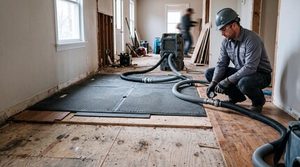
The cleanup process begins with water extraction. Removing standing water quickly helps prevent it from soaking deeper into materials. This step is essential for minimizing damage.

Drying and dehumidification follow. Even after visible water is removed, moisture can remain trapped in walls, floors, and furniture. Proper drying ensures that all affected areas are thoroughly treated.

Cleaning and sanitizing are also important. Water can carry contaminants, so treating surfaces helps eliminate bacteria and odors. This step restores a safe environment.

The final phase may involve minor repairs, depending on the extent of the damage. This helps return the space to its original condition.

Signs of Hidden Water Damage

Not all water damage is immediately visible, which makes it important to recognize hidden signs. Discoloration on walls or ceilings can indicate moisture behind surfaces.

A musty smell is another common sign. This odor often suggests mold or lingering moisture. Warped flooring or bubbling paint can also point to underlying issues.

Increased humidity inside your home may signal that moisture is still present. Identifying these signs early helps prevent further damage.

Risks of Delayed Cleanup

Delaying water damage cleanup can lead to serious consequences. The longer water remains, the more it can weaken materials and spread throughout the structure.

Mold growth is one of the biggest risks. It can begin in a short period and spread quickly in damp conditions. This can affect both the structure and indoor air quality.

Structural damage is another concern. Prolonged exposure to moisture can compromise the integrity of walls, floors, and ceilings.

Prompt cleanup helps reduce these risks and ensures a faster recovery.

Preventing Future Water Damage

Preventing water damage requires regular maintenance and awareness. Inspecting plumbing systems can help identify leaks before they become major problems.

Maintaining proper drainage around your home ensures that water flows away from the structure. Cleaning gutters and downspouts supports effective water management.

Checking appliances and replacing worn components can prevent unexpected failures. Monitoring humidity levels and improving ventilation also helps reduce moisture buildup.

Taking these preventive measures can protect your home from future damage.

Conclusion

Water damage cleanup is a crucial process that helps restore your home and protect it from further harm. By acting quickly and following the proper steps, you can minimize damage and prevent long term issues.

Understanding the causes and recognizing the signs of water damage allows you to respond effectively when problems arise. With proper cleanup and maintenance, your home can remain safe, comfortable, and well protected.

Addressing water damage promptly is not just about repairs. It is about preserving the integrity of your home and ensuring a healthy living environment for years to come.

What Is Pest Control for Cockroaches and How Do You Get Rid of Them Effectively?

Pest Control

It often starts with a quick movement in the corner of your eye. A cockroach disappears under a cabinet or behind an appliance before you can react. Even seeing one can be alarming, but it often signals a larger hidden problem. Cockroaches are known for their ability to survive in harsh conditions and multiply quickly, making them one of the most difficult household pests to control.

Effective Port St Lucie Pest Control for cockroaches requires more than just spraying a solution. It involves identifying the source, eliminating their environment, and using targeted methods to remove them completely. Understanding the right approach can help you regain control of your space and prevent future infestations.

Why Cockroaches Are a Serious Problem

Cockroaches are more than just unpleasant to see. They can carry bacteria and contaminate food and surfaces, which can lead to health concerns. They are often found in areas with moisture and food sources, such as kitchens and bathrooms.

They are also highly resilient. Cockroaches can hide in small cracks and survive with minimal resources, making them difficult to eliminate without a proper strategy.

In addition, they reproduce quickly. A small problem can turn into a large infestation in a short amount of time if not addressed early.

Common Signs of a Cockroach Infestation

Recognizing the signs of cockroaches is the first step in controlling them. One of the most obvious signs is seeing live roaches, especially at night when they are most active.

Droppings that resemble small black specks can often be found in cabinets, drawers, or along baseboards. These are clear indicators of activity.

You may also notice a musty odor in heavily infested areas. This smell is produced by cockroaches and can become stronger as the infestation grows.

Egg cases, often found in hidden areas, are another sign that cockroaches are breeding in your space.

Early detection helps you take action before the problem becomes more severe.

Step 1: Eliminate Food Sources

Cockroaches are attracted to food, even in very small amounts. Keeping your space clean is one of the most effective ways to reduce their presence.

Wipe down surfaces regularly to remove crumbs and spills. Pay special attention to kitchens and dining areas.

Store food in sealed containers to prevent access. This includes dry goods as well as pet food.

Dispose of garbage frequently and use bins with tight fitting lids. Reducing food availability makes your home less attractive to cockroaches.

Step 2: Remove Moisture and Water Sources

Moisture is another major factor that attracts cockroaches. They often gather in areas with water leaks or high humidity.

Fixing leaking pipes and faucets helps eliminate water sources. Ensuring proper ventilation in bathrooms and kitchens also reduces moisture.

Avoid leaving standing water in sinks or containers. Even small amounts can attract cockroaches.

By controlling moisture, you make your environment less suitable for their survival.

Step 3: Seal Entry Points and Hiding Areas

Cockroaches can enter through very small openings and hide in tight spaces. Sealing these areas is essential for both removal and prevention.

Inspect cracks in walls, gaps around doors and windows, and openings near pipes. Use appropriate materials to seal these entry points.

Decluttering your space also helps reduce hiding spots. Cockroaches thrive in areas where they can remain undisturbed.

Creating a sealed and organized environment limits their ability to spread.

Step 4: Use Baits and Traps

Baits and traps are among the most effective tools for eliminating cockroaches. Baits attract cockroaches and contain substances that eliminate them after consumption.

Traps help monitor activity and capture cockroaches in high traffic areas. They are often placed near walls, under sinks, and behind appliances.

Using these methods together increases effectiveness. Baits target the infestation, while traps help track progress.

Proper placement is important to ensure the best results.

Step 5: Apply Targeted Treatments

In some cases, additional treatments may be needed to control cockroaches. These can include sprays or dusts applied to specific areas where activity is observed.

It is important to use treatments carefully and follow instructions to ensure safety. Targeted application helps avoid unnecessary exposure while addressing the problem effectively.

These treatments are often used in combination with other methods for better results.

Step 6: Consider Professional Pest Control

For larger or persistent infestations, professional pest control services can provide a more comprehensive solution. Professionals have the expertise and tools needed to identify hidden infestations and apply effective treatments.

They often use a combination of methods, including advanced baits, monitoring systems, and exclusion techniques. This ensures thorough removal and reduces the risk of recurrence.

Professional services also include follow up visits to confirm that the infestation has been fully resolved.

Step 7: Maintain Long Term Prevention

Once cockroaches have been removed, ongoing prevention is essential. Regular cleaning, proper food storage, and moisture control help keep them from returning.

Routine inspections allow you to detect early signs of activity. Addressing issues quickly prevents them from becoming larger problems.

Maintaining a clean and organized environment is the most effective long term strategy.

Consistency is key to keeping your space cockroach free.

Final Thoughts

Pest control for cockroaches requires a combination of cleaning, sealing, and targeted treatments. By addressing the factors that attract them and using effective removal methods, you can eliminate infestations and protect your space.

While small problems can often be handled with basic steps, more severe infestations may require professional assistance for complete control. Acting early and maintaining preventive measures ensures long term success.

In the end, getting rid of cockroaches is not just about removing what you see. It is about creating an environment where they cannot survive, giving you a cleaner, safer, and more comfortable home.

How Do You Know When You Need a Roofing Replacement?

Roofing Replacement

There comes a moment when small roof repairs are no longer enough. You may notice recurring leaks, missing shingles after every storm, or areas that simply do not look as strong as they once did. At first, it can feel like another minor fix will solve the problem, but over time, those small issues can point to something bigger. Knowing when to move from repair to full roofing replacement can save you from costly damage and ongoing stress.

Roofing replacement at Cedar Park Roofing Pro is one of the most important investments you can make in your home. It protects everything beneath it, improves energy efficiency, and enhances the overall appearance of your property. Understanding when and how to replace a roof helps you make informed decisions and ensures long term protection.

What Roofing Replacement Means

Roofing replacement involves removing the existing roof materials and installing a completely new roofing system. Unlike repairs, which address specific problem areas, replacement focuses on renewing the entire structure.

This process typically includes removing old shingles or materials, inspecting the underlying structure, and installing new components such as underlayment, flashing, and roofing materials.

The goal is to create a durable and weather resistant system that can protect the home for many years. A full replacement ensures that all parts of the roof are functioning properly and working together.

Signs You Need a Roofing Replacement

Recognizing the signs that indicate a need for replacement is essential. One of the most common signs is the age of the roof. Most roofs have a limited lifespan, and older roofs are more prone to failure.

Frequent leaks are another clear indicator. If repairs are needed regularly, it may be more cost effective to replace the roof entirely.

Visible damage such as missing, cracked, or curling shingles suggests that the roof is deteriorating. These issues can expose the structure to moisture and lead to further damage.

Sagging areas are more serious and may indicate structural problems. This requires immediate attention and often points to the need for replacement.

Granules in gutters and uneven surfaces can also signal that roofing materials are wearing out.

Causes of Roof Deterioration

Several factors contribute to the need for roofing replacement. Weather is one of the main causes. Exposure to rain, wind, and extreme temperatures gradually weakens roofing materials.

Aging naturally reduces the effectiveness of the roof over time. Materials lose their ability to protect against moisture and environmental stress.

Poor installation or low quality materials can also lead to early deterioration. A roof that is not properly installed may develop issues sooner than expected.

Lack of maintenance is another factor. Regular inspections and care can extend the life of a roof, while neglect can accelerate damage.

Understanding these causes helps homeowners take preventive measures and plan for replacement when necessary.

The Roofing Replacement Process

The process of replacing a roof involves several important steps. It begins with an inspection to assess the condition of the existing roof and identify any structural concerns.

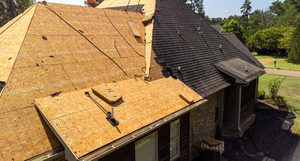
Next, the old roofing materials are removed. This step allows for a thorough inspection of the underlying structure and ensures that new materials are installed on a solid base.

Any necessary repairs to the structure are completed before new materials are installed. This ensures that the roof is stable and secure.

New underlayment and protective layers are then added, followed by the installation of the chosen roofing material. This may include shingles, metal panels, or other options.

Finally, flashing and finishing details are installed to ensure proper sealing and protection. A final inspection confirms that the replacement has been completed correctly.

Choosing the Right Roofing Material

Selecting the right roofing material is an important part of the replacement process. Different materials offer varying levels of durability, cost, and appearance.

Shingles are a popular choice due to their affordability and versatility. They are available in different styles and colors to match various designs.

Metal roofing offers durability and longevity. It is resistant to harsh weather conditions and requires less maintenance over time.

Tile and other specialty materials provide a distinctive look and can offer long lasting performance. These options are often chosen for their aesthetic appeal.

The choice of material depends on factors such as budget, climate, and personal preference. Understanding the benefits of each option helps you make the best decision.

Cost of Roofing Replacement

The cost of roofing replacement can vary widely depending on several factors. The size of the roof is one of the main considerations, as larger areas require more materials and labor.

The type of roofing material also affects the cost. Some materials are more expensive but offer greater durability and longer lifespan.

Labor costs play a significant role, especially for complex projects that require additional time and expertise.

Additional factors such as structural repairs, accessibility, and removal of old materials can also influence the total price.

Planning for these costs and setting a realistic budget helps ensure a smoother replacement process.

Benefits of Roofing Replacement

Replacing a roof offers several benefits that go beyond fixing damage. One of the most important advantages is improved protection. A new roof provides a strong barrier against weather and environmental elements.

Energy efficiency can also be enhanced. Modern roofing materials and proper installation help regulate temperature and reduce energy consumption.

A new roof improves the appearance of a home, increasing curb appeal and overall value. This can be especially important for those considering selling their property.

Roof replacement also reduces the need for frequent repairs, saving time and money in the long run.

These benefits make roofing replacement a worthwhile investment.

Maintenance After Roof Replacement

After replacing a roof, proper maintenance is essential for preserving its condition. Regular inspections help identify potential issues early.

Keeping gutters clean ensures proper drainage and prevents water buildup. Removing debris from the roof reduces the risk of damage.

Checking for loose or damaged components allows for quick repairs before problems develop.

Ensuring proper ventilation and insulation also contributes to the longevity of the roof.

Consistent maintenance helps extend the life of the new roof and maintain its performance.

Final Thoughts

Roofing replacement is a significant step in maintaining the safety and durability of your home. While it may seem like a large investment, it provides long term protection and peace of mind.

By recognizing the signs of damage, understanding the replacement process, and choosing the right materials, you can ensure that your roof continues to perform effectively for years to come.

In the end, a new roof is more than just an upgrade. It is a commitment to protecting your home, improving its value, and creating a secure environment for everything inside.

Concrete Services: Durable Solutions for Residential and Commercial Properties

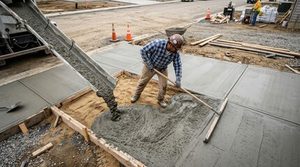
Concrete Franklin TN services are essential for creating strong, durable, and long-lasting structures in both residential and commercial settings. Concrete is one of the most widely used construction materials due to its strength, versatility, and ability to withstand heavy loads and environmental stress. From foundational elements to decorative surfaces, professional concrete services ensure proper installation, maintenance, and repair to maximize performance and longevity. Understanding the scope and benefits of concrete services helps property owners make informed decisions and protect their investments.

concrete

Understanding the Importance of Concrete Services

Concrete plays a vital role in the structural integrity of buildings and outdoor surfaces. It is used for foundations, floors, driveways, walkways, patios, and structural components. When properly installed and maintained, concrete provides exceptional durability and reliability.

Professional concrete services ensure that concrete is mixed, poured, finished, and cured correctly. Improper techniques can lead to cracking, uneven surfaces, and premature deterioration. Skilled concrete services help prevent these issues by following best practices and industry standards.

Types of Concrete Services Available

Concrete services encompass a wide range of applications designed to meet diverse construction and maintenance needs. Each service addresses specific requirements based on the structure’s purpose and environmental conditions.

Common concrete services include:

  1. Concrete installation for foundations, slabs, and flatwork
  2. Concrete repair to address cracks, spalling, and surface damage
  3. Concrete resurfacing to restore appearance and functionality
  4. Decorative concrete solutions for enhanced visual appeal
  5. Concrete maintenance and sealing for long-term protection

These services work together to ensure concrete structures remain safe, functional, and visually appealing.

Residential Concrete Services Explained

Residential concrete services focus on improving the safety, durability, and appearance of homes. Concrete is commonly used for driveways, sidewalks, patios, and interior floors. Over time, these surfaces experience wear due to weather exposure, foot traffic, and daily use.

Professional residential concrete services address issues such as cracks, uneven surfaces, and deterioration. New installations and repairs are completed with attention to proper drainage, reinforcement, and finishing. Well-maintained concrete enhances curb appeal and increases property value.

Commercial Concrete Services and Their Benefits

Commercial concrete services are designed to support businesses, industrial facilities, and multi-use properties. These environments often require concrete that can withstand heavy loads, frequent traffic, and demanding conditions.

Commercial concrete services may include large-scale slab installation, structural concrete work, and surface repairs. Professional execution ensures compliance with safety standards and minimizes disruption to operations. Durable concrete solutions support long-term functionality and reduce maintenance costs.

The Concrete Installation Process

Concrete installation requires careful planning and execution to ensure optimal results. Each phase of the process contributes to the strength and durability of the finished surface.

The general installation process includes:

  1. Site preparation and grading to ensure a stable base
  2. Formwork and reinforcement placement for structural support
  3. Concrete mixing and pouring at the correct consistency
  4. Finishing techniques to achieve the desired surface texture
  5. Proper curing to strengthen and harden the concrete

Following these steps ensures a long-lasting and reliable concrete surface.

Concrete Repair and Restoration Services

Concrete repair services address damage caused by environmental exposure, structural stress, or improper installation. Small cracks and surface defects can worsen over time if not repaired promptly.

Professional repair services restore structural integrity and appearance. Techniques such as crack filling, patching, and reinforcement help extend the life of concrete surfaces while preventing further deterioration.

Decorative Concrete Services

Decorative concrete services enhance the visual appeal of concrete surfaces without compromising strength. These services are often used to improve outdoor living spaces and interior floors.

Decorative options may include textured finishes, staining, and patterned designs. Decorative concrete combines aesthetics with durability, making it a popular choice for property owners seeking both functionality and style.

The Role of Maintenance in Concrete Services

Regular maintenance is essential for preserving the quality and performance of concrete surfaces. Maintenance services help protect concrete from moisture, wear, and environmental damage.

Maintenance measures often include sealing, cleaning, and routine inspections. These services prevent minor issues from developing into major repairs and extend the lifespan of concrete installations.

Common Issues Addressed by Concrete Services

Concrete services are designed to resolve a variety of common problems that affect concrete structures.

These issues include:

  1. Cracking caused by settlement or temperature changes
  2. Surface spalling due to moisture penetration
  3. Uneven slabs resulting from soil movement
  4. Discoloration and staining from environmental exposure
  5. Structural weakening from prolonged wear

Professional concrete services identify the root cause of these issues and apply effective solutions.

Why Professional Concrete Services Matter

Concrete work requires specialized knowledge, equipment, and experience. DIY approaches often result in uneven surfaces, improper curing, and premature failure. Professional concrete services ensure proper materials, techniques, and quality control.

Experienced professionals understand how environmental factors and structural requirements influence concrete performance. Their expertise results in durable, high-quality installations and repairs.

Concrete Services and Structural Safety

Concrete services contribute directly to structural safety. Foundations and load-bearing elements rely on properly installed concrete to support the structure above. Compromised concrete can lead to safety hazards and costly structural repairs.

Professional concrete services ensure that all work meets safety standards and supports long-term stability. This focus on safety protects both occupants and property.

Long-Term Benefits of Quality Concrete Services

Investing in professional concrete services offers numerous long-term advantages. Proper installation and maintenance reduce the likelihood of future damage and extend the lifespan of concrete surfaces.

Quality concrete services improve functionality, enhance appearance, and increase property value. Durable concrete also reduces the need for frequent repairs, resulting in cost savings over time.

Choosing the Right Concrete Services

Selecting professional concrete services ensures reliable results and lasting performance. Skilled providers prioritize planning, precision, and attention to detail throughout every project.

A professional approach ensures that concrete solutions meet specific needs and environmental conditions. Proper concrete services deliver dependable results that stand the test of time.

Concrete services are essential for creating and maintaining strong, durable, and visually appealing structures. From installation to repair and maintenance, professional concrete services support safety, functionality, and long-term performance in both residential and commercial properties.

By understanding the value of concrete services and addressing issues proactively, property owners can protect their investments and ensure dependable surfaces for years to come. Quality concrete services provide a solid foundation for reliable and lasting results.