
What Is Pest Control for Cockroaches and How Do You Get Rid of Them Effectively?

Pest Control

It often starts with a quick movement in the corner of your eye. A cockroach disappears under a cabinet or behind an appliance before you can react. Even seeing one can be alarming, but it often signals a larger hidden problem. Cockroaches are known for their ability to survive in harsh conditions and multiply quickly, making them one of the most difficult household pests to control.

Effective Port St Lucie Pest Control for cockroaches requires more than just spraying a solution. It involves identifying the source, eliminating their environment, and using targeted methods to remove them completely. Understanding the right approach can help you regain control of your space and prevent future infestations.

Why Cockroaches Are a Serious Problem

Cockroaches are more than just unpleasant to see. They can carry bacteria and contaminate food and surfaces, which can lead to health concerns. They are often found in areas with moisture and food sources, such as kitchens and bathrooms.

They are also highly resilient. Cockroaches can hide in small cracks and survive with minimal resources, making them difficult to eliminate without a proper strategy.

In addition, they reproduce quickly. A small problem can turn into a large infestation in a short amount of time if not addressed early.

Common Signs of a Cockroach Infestation

Recognizing the signs of cockroaches is the first step in controlling them. One of the most obvious signs is seeing live roaches, especially at night when they are most active.

Droppings that resemble small black specks can often be found in cabinets, drawers, or along baseboards. These are clear indicators of activity.

You may also notice a musty odor in heavily infested areas. This smell is produced by cockroaches and can become stronger as the infestation grows.

Egg cases, often found in hidden areas, are another sign that cockroaches are breeding in your space.

Early detection helps you take action before the problem becomes more severe.

Step 1: Eliminate Food Sources

Cockroaches are attracted to food, even in very small amounts. Keeping your space clean is one of the most effective ways to reduce their presence.

Wipe down surfaces regularly to remove crumbs and spills. Pay special attention to kitchens and dining areas.

Store food in sealed containers to prevent access. This includes dry goods as well as pet food.

Dispose of garbage frequently and use bins with tight fitting lids. Reducing food availability makes your home less attractive to cockroaches.

Step 2: Remove Moisture and Water Sources

Moisture is another major factor that attracts cockroaches. They often gather in areas with water leaks or high humidity.

Fixing leaking pipes and faucets helps eliminate water sources. Ensuring proper ventilation in bathrooms and kitchens also reduces moisture.

Avoid leaving standing water in sinks or containers. Even small amounts can attract cockroaches.

By controlling moisture, you make your environment less suitable for their survival.

Step 3: Seal Entry Points and Hiding Areas

Cockroaches can enter through very small openings and hide in tight spaces. Sealing these areas is essential for both removal and prevention.

Inspect cracks in walls, gaps around doors and windows, and openings near pipes. Use appropriate materials to seal these entry points.

Decluttering your space also helps reduce hiding spots. Cockroaches thrive in areas where they can remain undisturbed.

Creating a sealed and organized environment limits their ability to spread.

Step 4: Use Baits and Traps

Baits and traps are among the most effective tools for eliminating cockroaches. Baits attract cockroaches and contain substances that eliminate them after consumption.

Traps help monitor activity and capture cockroaches in high traffic areas. They are often placed near walls, under sinks, and behind appliances.

Using these methods together increases effectiveness. Baits target the infestation, while traps help track progress.

Proper placement is important to ensure the best results.

Step 5: Apply Targeted Treatments

In some cases, additional treatments may be needed to control cockroaches. These can include sprays or dusts applied to specific areas where activity is observed.

It is important to use treatments carefully and follow instructions to ensure safety. Targeted application helps avoid unnecessary exposure while addressing the problem effectively.

These treatments are often used in combination with other methods for better results.

Step 6: Consider Professional Pest Control

For larger or persistent infestations, professional pest control services can provide a more comprehensive solution. Professionals have the expertise and tools needed to identify hidden infestations and apply effective treatments.

They often use a combination of methods, including advanced baits, monitoring systems, and exclusion techniques. This ensures thorough removal and reduces the risk of recurrence.

Professional services also include follow up visits to confirm that the infestation has been fully resolved.

Step 7: Maintain Long Term Prevention

Once cockroaches have been removed, ongoing prevention is essential. Regular cleaning, proper food storage, and moisture control help keep them from returning.

Routine inspections allow you to detect early signs of activity. Addressing issues quickly prevents them from becoming larger problems.

Maintaining a clean and organized environment is the most effective long term strategy.

Consistency is key to keeping your space cockroach free.

Final Thoughts

Pest control for cockroaches requires a combination of cleaning, sealing, and targeted treatments. By addressing the factors that attract them and using effective removal methods, you can eliminate infestations and protect your space.

While small problems can often be handled with basic steps, more severe infestations may require professional assistance for complete control. Acting early and maintaining preventive measures ensures long term success.

In the end, getting rid of cockroaches is not just about removing what you see. It is about creating an environment where they cannot survive, giving you a cleaner, safer, and more comfortable home.
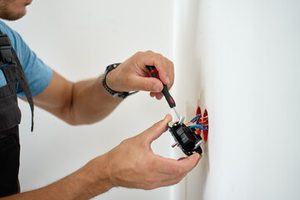
How Electrical Contractors Ensure Safety, Compliance, and Quality Workmanship

Electrical systems are the lifeblood of modern residential, commercial, and industrial properties. From powering essential appliances and lighting to supporting complex automation systems and data networks, electricity plays a central role in daily operations. Behind every safe and efficient electrical system is a skilled electrical contractor who ensures that installations meet rigorous safety standards, comply with current codes, and reflect a high level of workmanship. Understanding how electrical contractors achieve these outcomes provides valuable insight into the importance of hiring qualified Electrical Contractors for any electrical project.

electrical services

Safety is the cornerstone of every electrical installation. Electricity, while indispensable, presents inherent risks including shock, fire, and arc flash hazards. Professional electrical contractors begin every project with a comprehensive safety assessment. This includes evaluating site conditions, identifying potential hazards, and determining appropriate protective measures. Whether working on a residential panel upgrade or a large-scale commercial build-out, contractors implement strict safety protocols designed to protect workers, occupants, and property.

One of the most critical safety measures involves proper system design. Electrical contractors collaborate with engineers and project managers to calculate load requirements accurately. Incorrect load calculations can lead to overloaded circuits, overheating conductors, and premature equipment failure. By carefully analyzing anticipated demand, contractors ensure that service panels, breakers, and wiring are properly sized to handle current and future loads. This proactive approach reduces the likelihood of system stress and enhances long-term reliability.

Compliance with electrical codes is another essential responsibility. Electrical codes exist to establish minimum safety standards for installation and maintenance. In the United States, the National Fire Protection Association publishes the National Electrical Code, which outlines comprehensive requirements for wiring methods, grounding systems, overcurrent protection, and more. Electrical contractors stay informed about code updates and revisions, ensuring that their work aligns with the latest standards. Compliance is not merely about passing inspections; it is about implementing proven practices that prevent accidents and equipment damage.

Quality workmanship begins with meticulous planning. Before any installation starts, contractors review blueprints, coordinate with other trades, and develop detailed project schedules. Electrical systems must integrate seamlessly with structural components, plumbing lines, HVAC ducts, and architectural features. Effective coordination minimizes conflicts and ensures that conduit pathways, panel locations, and equipment placements are both functional and accessible. Thoughtful planning also prevents costly rework and project delays.

Material selection plays a pivotal role in workmanship and durability. Professional electrical contractors choose conductors, conduit systems, and protective devices based on performance requirements and environmental conditions. High-quality materials may involve a higher upfront cost, but they contribute to system longevity and reduced maintenance expenses. For example, selecting corrosion-resistant components in damp environments protects wiring integrity and minimizes long-term degradation. Contractors evaluate not only immediate functionality but also lifecycle performance when specifying materials.

Electrical contractors also emphasize proper grounding and bonding. Grounding systems provide a safe path for fault currents, protecting both people and equipment. Improper grounding can result in shock hazards, erratic equipment behavior, or even fire. Contractors verify that grounding conductors are securely connected and compliant with applicable standards. Bonding ensures that metallic components within the electrical system maintain equal potential, reducing the risk of unintended electrical paths.

Another way electrical contractors ensure safety and quality is through rigorous testing and inspection procedures. Once installations are complete, contractors perform systematic evaluations to confirm proper operation. This may include continuity testing, voltage verification, thermal imaging to detect hot spots, and load testing under simulated operating conditions. These tests validate that circuits are functioning correctly and that protective devices respond appropriately to faults. Thorough testing provides confidence that the system will perform reliably once energized.

Electrical contractors also focus heavily on documentation and permitting. Every significant installation or modification typically requires permits and inspections by local authorities. Contractors prepare detailed documentation, including load calculations, wiring diagrams, and compliance reports. This paperwork demonstrates adherence to regulatory requirements and provides a record for future maintenance or renovations. Clear documentation also supports property owners during insurance reviews or property transactions.

In addition to technical execution, professional electrical contractors invest in ongoing education and certification. Electrical technology evolves rapidly, with new energy-efficient systems, renewable integrations, and smart automation solutions entering the market regularly. Contractors participate in training programs to stay current with advancements and best practices. This commitment to professional development ensures that clients receive modern, forward-thinking solutions rather than outdated methods.

Several core practices distinguish reputable electrical contractors from less experienced providers:

  1. Strict adherence to safety protocols. Contractors implement lockout/tagout procedures, use personal protective equipment, and conduct hazard assessments before beginning work.
  2. Detailed load and system analysis. Accurate calculations prevent overloaded circuits and ensure optimal performance.
  3. Transparent communication. Contractors keep clients informed about project timelines, costs, and potential challenges.
  4. Comprehensive quality control. Multiple layers of inspection and testing verify system integrity before project completion.

Communication is a frequently underestimated component of quality workmanship. Electrical projects often involve multiple stakeholders, including property owners, architects, engineers, and other contractors. Clear communication ensures that design objectives align with practical installation methods. When unexpected challenges arise, such as structural limitations or supply chain delays, effective communication enables timely problem-solving. Clients who are kept informed throughout the process are more likely to experience smooth project outcomes.

Risk management is another area where electrical contractors demonstrate expertise. Large-scale projects often involve complex power distribution systems with high-voltage components. Contractors conduct risk assessments to identify potential hazards such as arc flash exposure or equipment overload. Implementing mitigation strategies, including protective labeling and restricted access zones, enhances overall safety. These measures not only protect workers but also safeguard maintenance personnel long after construction is complete.

Energy efficiency has become an integral part of modern electrical contracting. Clients increasingly seek systems that minimize energy consumption while maintaining performance. Contractors integrate LED lighting, occupancy sensors, advanced control systems, and energy monitoring solutions into their designs. By optimizing efficiency during installation, contractors help property owners reduce operational costs and environmental impact. Quality workmanship extends beyond physical installation to include thoughtful system optimization.

Electrical contractors also play a crucial role in troubleshooting and corrective maintenance. Even well-designed systems can experience wear and tear over time. When issues arise, contractors use diagnostic tools to pinpoint root causes rather than applying temporary fixes. Addressing underlying problems ensures long-term reliability and prevents recurring failures. This problem-solving expertise reinforces the value of professional electrical services.

Another key aspect of ensuring quality workmanship is attention to detail. Neatly organized wiring, properly labeled panels, and clean conduit runs reflect a contractor’s commitment to excellence. While these details may seem cosmetic, they have practical implications. Organized installations facilitate easier maintenance, reduce confusion during troubleshooting, and enhance overall safety. High standards of craftsmanship contribute to system clarity and operational efficiency.

Insurance and liability considerations further highlight the importance of hiring qualified electrical contractors. Licensed professionals carry appropriate insurance coverage and adhere to industry regulations. This protects property owners from financial exposure in the event of accidents or unforeseen complications. Attempting electrical work without proper credentials can result in code violations, insurance claim denials, or costly remediation.

Ultimately, electrical contractors ensure safety, compliance, and quality workmanship through a combination of technical expertise, disciplined processes, and professional integrity. Their role extends beyond simply connecting wires; they design, implement, and validate systems that power homes and businesses safely for years to come. By adhering to established codes, conducting thorough inspections, selecting durable materials, and maintaining open communication, contractors deliver installations that meet both regulatory standards and client expectations.

In a world increasingly dependent on reliable electricity, the value of professional electrical contracting cannot be overstated. Safety measures protect lives and property, compliance safeguards legal and financial interests, and quality workmanship ensures long-term performance. Whether undertaking a new construction project, upgrading existing infrastructure, or addressing maintenance concerns, partnering with a skilled electrical contractor is an investment in resilience and peace of mind.