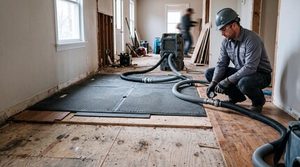
Water damage can happen when you least expect it, turning a normal day into a stressful situation within minutes. Whether it comes from a leak, flooding, or an appliance failure, the aftermath can leave your home in disarray. Floors become soaked, walls absorb moisture, and the air may feel heavy and damp. Water Damage Cleanup Salt Lake City is the essential process that helps restore your home, prevent further issues, and bring your space back to a safe and comfortable condition.
What Is Water Damage Cleanup
Water damage cleanup is the process of removing water, drying affected areas, and cleaning up any damage caused by moisture. It focuses on restoring the environment after water intrusion and preventing long term problems such as mold or structural weakening.
This process goes beyond simply wiping up visible water. It involves identifying hidden moisture and ensuring that all affected materials are properly treated. Effective cleanup helps protect both your home and your health.
Common Causes of Water Damage
Water damage can result from a variety of sources. One of the most common causes is plumbing issues. Leaking or burst pipes can release water quickly and spread damage across multiple areas.
Flooding from heavy rain or poor drainage can also introduce large amounts of water into a home. Roof leaks are another source, allowing water to seep in during storms.
Appliance malfunctions are also frequent contributors. Dishwashers, washing machines, and water heaters can fail and leak without warning. Even small, unnoticed drips can lead to significant damage over time.
Understanding these causes can help you stay alert and respond quickly when problems arise.
Immediate Steps to Take After Water Damage
When water damage occurs, taking immediate action is critical. The first priority is safety. If water has reached electrical outlets or appliances, turning off power in the affected area is important.
Stopping the source of water is the next step. This may involve shutting off the main water supply or fixing a leaking fixture. Once the source is controlled, removing standing water should begin as soon as possible.
Moving furniture and belongings away from the affected area can help prevent further damage. Increasing airflow by opening windows can also assist in the early stages of drying.
These initial steps can significantly reduce the overall impact of water damage.
The Water Damage Cleanup Process
The cleanup process begins with water extraction. Removing standing water quickly helps prevent it from soaking deeper into materials. This step is essential for minimizing damage.
Drying and dehumidification follow. Even after visible water is removed, moisture can remain trapped in walls, floors, and furniture. Proper drying ensures that all affected areas are thoroughly treated.
Cleaning and sanitizing are also important. Water can carry contaminants, so treating surfaces helps eliminate bacteria and odors. This step restores a safe environment.
The final phase may involve minor repairs, depending on the extent of the damage. This helps return the space to its original condition.
Signs of Hidden Water Damage
Not all water damage is immediately visible, which makes it important to recognize hidden signs. Discoloration on walls or ceilings can indicate moisture behind surfaces.
A musty smell is another common sign. This odor often suggests mold or lingering moisture. Warped flooring or bubbling paint can also point to underlying issues.
Increased humidity inside your home may signal that moisture is still present. Identifying these signs early helps prevent further damage.
Risks of Delayed Cleanup
Delaying water damage cleanup can lead to serious consequences. The longer water remains, the more it can weaken materials and spread throughout the structure.
Mold growth is one of the biggest risks. It can begin in a short period and spread quickly in damp conditions. This can affect both the structure and indoor air quality.
Structural damage is another concern. Prolonged exposure to moisture can compromise the integrity of walls, floors, and ceilings.
Prompt cleanup helps reduce these risks and ensures a faster recovery.
Preventing Future Water Damage
Preventing water damage requires regular maintenance and awareness. Inspecting plumbing systems can help identify leaks before they become major problems.
Maintaining proper drainage around your home ensures that water flows away from the structure. Cleaning gutters and downspouts supports effective water management.
Checking appliances and replacing worn components can prevent unexpected failures. Monitoring humidity levels and improving ventilation also helps reduce moisture buildup.
Taking these preventive measures can protect your home from future damage.
Conclusion
Water damage cleanup is a crucial process that helps restore your home and protect it from further harm. By acting quickly and following the proper steps, you can minimize damage and prevent long term issues.
Understanding the causes and recognizing the signs of water damage allows you to respond effectively when problems arise. With proper cleanup and maintenance, your home can remain safe, comfortable, and well protected.
Addressing water damage promptly is not just about repairs. It is about preserving the integrity of your home and ensuring a healthy living environment for years to come.