There comes a moment when small roof repairs are no longer enough. You may notice recurring leaks, missing shingles after every storm, or areas that simply do not look as strong as they once did. At first, it can feel like another minor fix will solve the problem, but over time, those small issues can point to something bigger. Knowing when to move from repair to full roofing replacement can save you from costly damage and ongoing stress.
Roofing replacement at Cedar Park Roofing Pro is one of the most important investments you can make in your home. It protects everything beneath it, improves energy efficiency, and enhances the overall appearance of your property. Understanding when and how to replace a roof helps you make informed decisions and ensures long term protection.
What Roofing Replacement Means
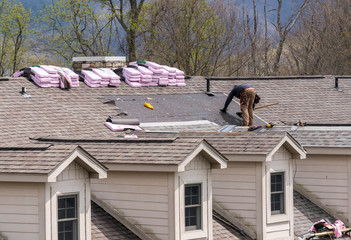
Roofing replacement involves removing the existing roof materials and installing a completely new roofing system. Unlike repairs, which address specific problem areas, replacement focuses on renewing the entire structure.
This process typically includes removing old shingles or materials, inspecting the underlying structure, and installing new components such as underlayment, flashing, and roofing materials.
The goal is to create a durable and weather resistant system that can protect the home for many years. A full replacement ensures that all parts of the roof are functioning properly and working together.
Signs You Need a Roofing Replacement
Recognizing the signs that indicate a need for replacement is essential. One of the most common signs is the age of the roof. Most roofs have a limited lifespan, and older roofs are more prone to failure.
Frequent leaks are another clear indicator. If repairs are needed regularly, it may be more cost effective to replace the roof entirely.
Visible damage such as missing, cracked, or curling shingles suggests that the roof is deteriorating. These issues can expose the structure to moisture and lead to further damage.
Sagging areas are more serious and may indicate structural problems. This requires immediate attention and often points to the need for replacement.
Granules in gutters and uneven surfaces can also signal that roofing materials are wearing out.
Causes of Roof Deterioration
Several factors contribute to the need for roofing replacement. Weather is one of the main causes. Exposure to rain, wind, and extreme temperatures gradually weakens roofing materials.
Aging naturally reduces the effectiveness of the roof over time. Materials lose their ability to protect against moisture and environmental stress.
Poor installation or low quality materials can also lead to early deterioration. A roof that is not properly installed may develop issues sooner than expected.
Lack of maintenance is another factor. Regular inspections and care can extend the life of a roof, while neglect can accelerate damage.
Understanding these causes helps homeowners take preventive measures and plan for replacement when necessary.
The Roofing Replacement Process
The process of replacing a roof involves several important steps. It begins with an inspection to assess the condition of the existing roof and identify any structural concerns.
Next, the old roofing materials are removed. This step allows for a thorough inspection of the underlying structure and ensures that new materials are installed on a solid base.
Any necessary repairs to the structure are completed before new materials are installed. This ensures that the roof is stable and secure.
New underlayment and protective layers are then added, followed by the installation of the chosen roofing material. This may include shingles, metal panels, or other options.
Finally, flashing and finishing details are installed to ensure proper sealing and protection. A final inspection confirms that the replacement has been completed correctly.
Choosing the Right Roofing Material
Selecting the right roofing material is an important part of the replacement process. Different materials offer varying levels of durability, cost, and appearance.
Shingles are a popular choice due to their affordability and versatility. They are available in different styles and colors to match various designs.
Metal roofing offers durability and longevity. It is resistant to harsh weather conditions and requires less maintenance over time.
Tile and other specialty materials provide a distinctive look and can offer long lasting performance. These options are often chosen for their aesthetic appeal.
The choice of material depends on factors such as budget, climate, and personal preference. Understanding the benefits of each option helps you make the best decision.
Cost of Roofing Replacement
The cost of roofing replacement can vary widely depending on several factors. The size of the roof is one of the main considerations, as larger areas require more materials and labor.
The type of roofing material also affects the cost. Some materials are more expensive but offer greater durability and longer lifespan.
Labor costs play a significant role, especially for complex projects that require additional time and expertise.
Additional factors such as structural repairs, accessibility, and removal of old materials can also influence the total price.
Planning for these costs and setting a realistic budget helps ensure a smoother replacement process.
Benefits of Roofing Replacement
Replacing a roof offers several benefits that go beyond fixing damage. One of the most important advantages is improved protection. A new roof provides a strong barrier against weather and environmental elements.
Energy efficiency can also be enhanced. Modern roofing materials and proper installation help regulate temperature and reduce energy consumption.
A new roof improves the appearance of a home, increasing curb appeal and overall value. This can be especially important for those considering selling their property.
Roof replacement also reduces the need for frequent repairs, saving time and money in the long run.
These benefits make roofing replacement a worthwhile investment.
Maintenance After Roof Replacement
After replacing a roof, proper maintenance is essential for preserving its condition. Regular inspections help identify potential issues early.
Keeping gutters clean ensures proper drainage and prevents water buildup. Removing debris from the roof reduces the risk of damage.
Checking for loose or damaged components allows for quick repairs before problems develop.
Ensuring proper ventilation and insulation also contributes to the longevity of the roof.
Consistent maintenance helps extend the life of the new roof and maintain its performance.
Final Thoughts
Roofing replacement is a significant step in maintaining the safety and durability of your home. While it may seem like a large investment, it provides long term protection and peace of mind.
By recognizing the signs of damage, understanding the replacement process, and choosing the right materials, you can ensure that your roof continues to perform effectively for years to come.
In the end, a new roof is more than just an upgrade. It is a commitment to protecting your home, improving its value, and creating a secure environment for everything inside.